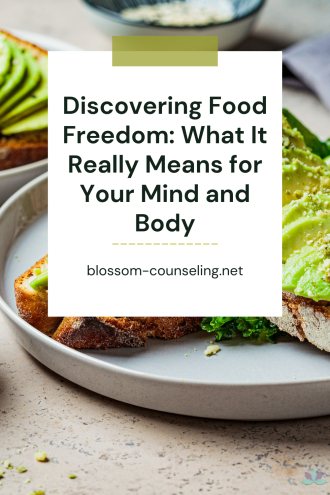
You have probably heard the term food freedom floating around on social media or in wellness conversations. It sounds nice, maybe even a little confusing. Does it mean no structure? No nutrition? Just eating whatever you want all the time?
Not exactly.
Food freedom is about building a relationship with food that feels steady and sustainable. It is not about ignoring health. It is about removing guilt, shame, and anxiety from the equation so food stops feeling like a daily battle.
At its core, food freedom means you can eat without constantly criticizing yourself. It means letting go of rigid food rules and the exhausting mental math of calories and compensation. It is about learning to trust your body instead of fighting it.
Why So Many of Us Struggle With Food Guilt
If your inner dialogue sounds like this, you are not alone.
“I should not eat that.”
“I was so good yesterday.”
“If I eat this now, I will have to make up for it later.”
That running commentary can be exhausting. Labeling foods as good or bad often creates a cycle of restriction, overeating, and guilt. The more you tell yourself you cannot have something, the more power it seems to hold.
Food freedom challenges that cycle. When you give yourself unconditional permission to eat, those “forbidden” foods lose their intensity. A cookie becomes just a cookie. Not a moral test. Not proof of failure. Just food.
Food Freedom Is Not About Losing Control
One common myth is that food freedom means eating whatever you want with no awareness. That is not the goal.
Food freedom is about tuning into your body. It is learning the difference between physical hunger and emotional hunger. It is understanding that nutrition still matters, but it does not have to come from fear or punishment.
You can enjoy pizza without calculating how you will burn it off tomorrow. You can eat a salad because it genuinely feels good in your body, not because you are trying to undo dessert from the night before.
It is about balance. Satisfaction and nourishment can exist at the same time.
How Food Freedom Supports Your Mental Health
Diet culture can quietly take over your thoughts. Constantly monitoring what you eat or feeling out of control around food can increase anxiety and chip away at your self-esteem.
When food stops being the enemy, you gain back mental space. Space to connect with people. Space to enjoy hobbies. Space to focus on things that actually matter to you.
Making peace with food can reduce shame and help you feel more grounded in your own body. That is not just about eating. That is about confidence and emotional well-being.
How to Start Working Toward Food Freedom
Food freedom is not a switch you flip. It is a process.
Let go of the diet mindset. Notice how restriction often leads to more stress, not less.
Practice mindful eating. Pay attention to hunger and fullness when you can, without judgment.
Challenge food rules. When you catch yourself labeling something as good or bad, pause and ask where that rule came from.
Seek support. A therapist, dietitian, or supportive space can help you untangle beliefs that feel deeply ingrained.
You do not have to figure it out alone.
Redefining Health on Your Terms
Food freedom is personal. It is about redefining health in a way that actually works for you instead of following arbitrary rules.
If you are tired of feeling guilty every time you eat something you enjoy, that matters. If you want a relationship with food that feels calmer and less dramatic, that is possible.
It may take time, patience, and some uncomfortable honesty. But stepping off the rollercoaster of restriction and guilt and onto something steadier is worth it.
You deserve to enjoy food. And you deserve to feel at peace while doing it.
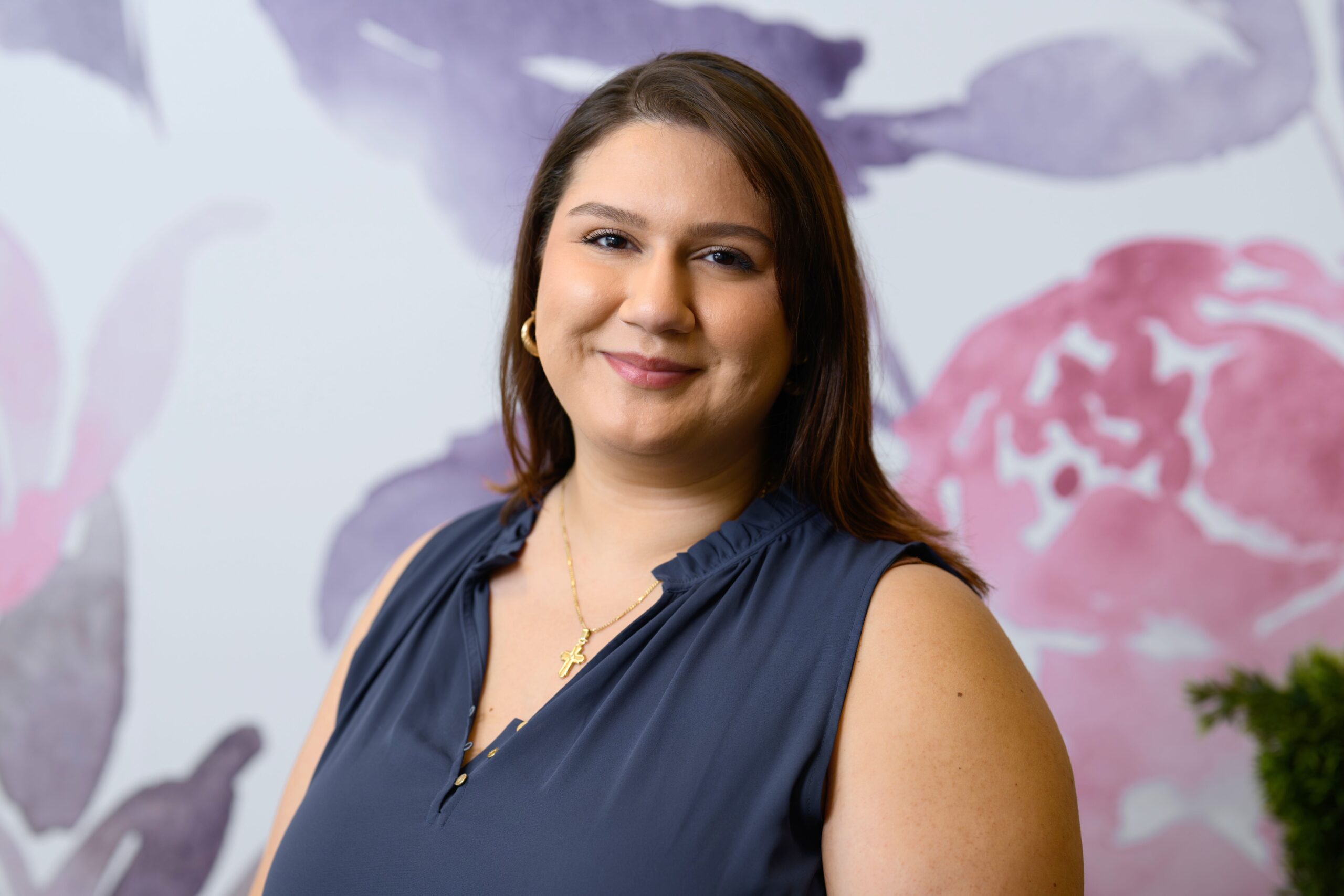
Hi, I’m Angie. I work with people who are trying to hold it all together while quietly wondering why life feels so overwhelming. Maybe you’re stepping into a new chapter—college, a job, a relationship—and it’s not going the way you thought it would. Maybe you’re tired of overthinking, people-pleasing, or feeling like you’ve lost track of who you are. I get it, and you don’t have to figure it out alone.
In therapy, I help you slow down, untangle the noise, and start feeling like yourself again. Together we’ll build confidence, set real boundaries, and find ways to handle life without so much pressure or self-doubt. My goal isn’t to “fix” you—it’s to remind you that you already have the strength and clarity you need.
When I’m not in session, you can usually find me sipping a matcha latte, spending time with my dog, or enjoying the calm of fall weather.
If you’re ready to feel grounded, confident, and back in control of your own story, I’d love to meet you.