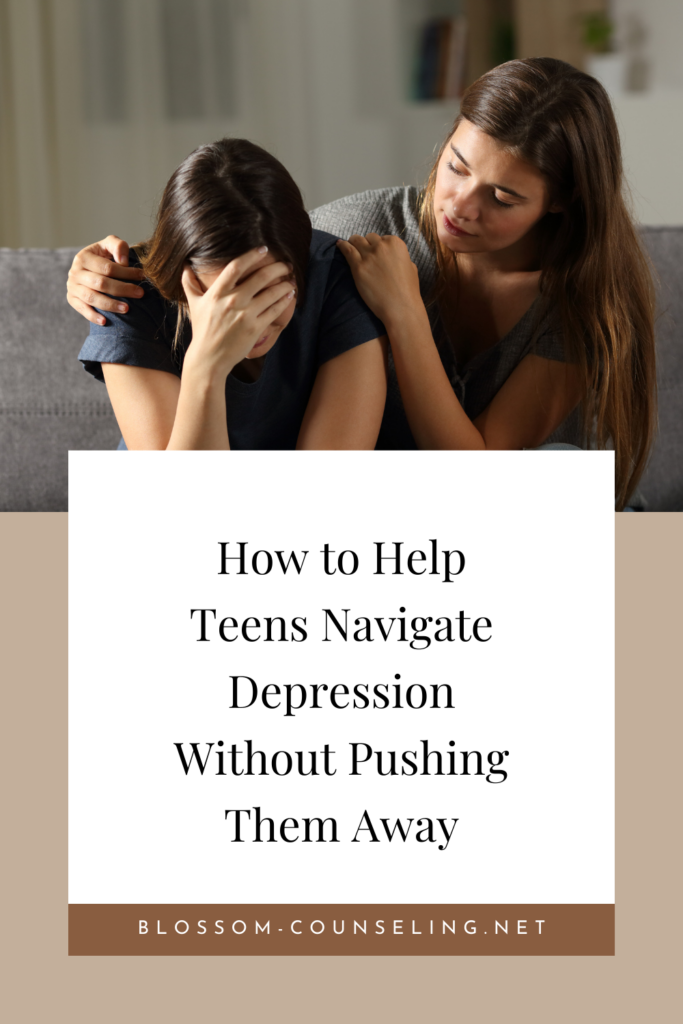
Teenagers are known for mood swings, late-night existential crises, and growing pains—so how do you know when it’s just a tough week versus something deeper like depression? And if your teen is struggling with depression, how do you support them without overwhelming them or making things worse?
Here’s the hard part: depression in teens doesn’t always look the way you might expect. It isn’t always crying or sadness. Sometimes, it’s irritability. Sometimes it’s a blank stare, canceled plans, or sleeping way more than usual. Other times, it’s the complete opposite—restlessness, insomnia, or emotional shutdowns.
In other words, depression doesn’t wear a uniform. But it does tend to send out signals if we’re paying attention.
Understanding Teen Depression
First, let’s demystify what depression is and isn’t. Depression isn’t just feeling sad—it’s a sustained change in mood, energy, motivation, and self-worth. For teens, it often gets tangled up with identity development, academic stress, social pressures, family dynamics, and hormonal changes.
Some red flags might include:
- A noticeable drop in energy or motivation
- Withdrawing from friends or activities they used to enjoy
- Persistent irritability or anger
- Changes in eating or sleeping habits
- Expressing hopelessness, worthlessness, or thoughts of self-harm
But not every teen will check off every box. Some are high-achieving, perfectionistic, or socially engaged while hiding their pain behind a mask of “I’m fine.”
Why “Just Talk to Me” Doesn’t Always Work
If you’ve tried the classic “I’m here if you want to talk” only to be met with a grunt, silence, or a door closing in your face, you’re not alone. When someone’s in the thick of depression—especially a teen—talking about it can feel overwhelming. They may not know what they’re feeling, or they may be afraid of disappointing you.
That doesn’t mean they don’t want connection. It just means they might need it to come in a different form:
- Quiet presence without pressure
- Gentle check-ins instead of interrogations
- Letting them have some autonomy while still setting boundaries
Small, consistent gestures often go farther than one big “deep talk.” Think: “Wanna go for a drive?” or “Hey, I noticed you’ve seemed down lately. I love you, and I’m here if you ever want to figure this out together.”
Supporting Without Fixing
One of the hardest parts of loving someone with depression—especially when it’s your child—is resisting the urge to fix it. Your job isn’t to “make them happy again.” It’s to be a safe, steady presence while they navigate their inner world.
Here’s what helps:
- Normalize therapy, and remove shame around needing help
- Model self-care and emotional expression yourself
- Listen more than you speak
- Help them name their feelings without judgment
- Gently encourage structure: sleep routines, movement, time outside
And most importantly? Take care of yourself too. Supporting a teen through depression can be exhausting. You’re allowed to have your own therapist, take breaks, and ask for help.
What Healing Can Look Like
Progress isn’t always linear. One good day doesn’t mean it’s over, and one bad day doesn’t mean things are falling apart. Healing from depression often happens slowly, in layers.
You might see:
- A return of their sense of humor
- Moments of curiosity or engagement
- More tolerance for connection, even if brief
And when those signs show up? Celebrate them gently. Let them know you see their effort, not just the outcomes.
Because when teens feel seen, supported, and safe—not micromanaged or misunderstood—they’re more likely to open up. Not necessarily all at once, but enough to begin the climb out of the dark. And that’s when the real work of healing begins.

Our team of compassionate therapists is here to help you find the support you need. We believe in a holistic approach, treating your mind, body, and spirit. With a blend of traditional and alternative therapies, we tailor your experience to meet your unique needs. At Blossom, we create a non-judgmental space where you can be your authentic self. Our goal is to empower you, amplify your strengths, and help you create lasting change. Together, we’ll navigate life’s challenges and help you bloom, grow, blossom! You deserve to become the best version of you.