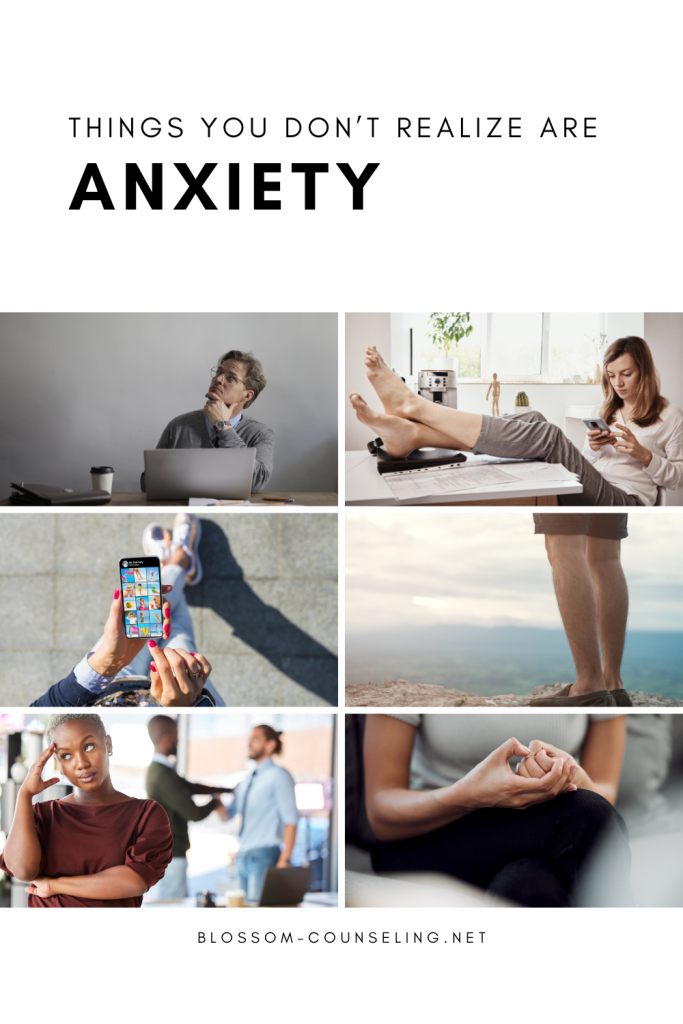
Why Anxiety Feels So Consuming
Anxiety is the body’s alarm system, designed to alert us to danger. When functioning properly, it helps keep us safe. When anxiety becomes chronic, the alarm stays on even when no immediate threat exists.
People with anxiety often experience racing thoughts, constant worry, restlessness, muscle tension, and difficulty relaxing. These symptoms can interfere with work, relationships, sleep, and overall quality of life.
CBT offers practical tools to help interrupt anxiety cycles and restore balance.
Understanding the Anxiety Loop
Anxiety thrives on prediction. The mind scans for potential problems and fills in worst-case scenarios. These thoughts trigger physical symptoms, which then reinforce the belief that something is wrong.
CBT helps individuals recognize this loop and understand how thoughts influence emotions and behaviors. Awareness alone can reduce the intensity of anxiety by creating distance between the thought and the reaction.
Changing the Relationship With Thoughts
CBT does not aim to eliminate anxious thoughts entirely. Instead, it helps people relate to them differently. Through therapy, individuals learn to identify cognitive distortions such as catastrophizing or overgeneralizing.
By gently challenging these patterns, clients begin to respond with more balanced thinking. This reduces emotional reactivity and increases a sense of control.
Behavioral Strategies That Support Calm
Anxiety often leads to avoidance. While avoidance provides short-term relief, it reinforces fear over time. CBT helps individuals gradually face feared situations in manageable ways.
This process builds confidence and teaches the nervous system that anxiety can rise and fall without catastrophic outcomes. Over time, anxiety becomes less dominant.
CBT also incorporates relaxation techniques, breathing strategies, and problem-solving skills that support long-term emotional regulation.

Our team of compassionate therapists is here to help you find the support you need. We believe in a holistic approach, treating your mind, body, and spirit. With a blend of traditional and alternative therapies, we tailor your experience to meet your unique needs. At Blossom, we create a non-judgmental space where you can be your authentic self. Our goal is to empower you, amplify your strengths, and help you create lasting change. Together, we’ll navigate life’s challenges and help you bloom, grow, blossom! You deserve to become the best version of you.