Therapy has never been more visible. Conversations about mental health are everywhere, and yet many people feel surprisingly dissatisfied with their therapy experiences. This disconnect has led to a growing number of clients questioning whether traditional therapy models actually meet their needs.
This shift is not a rejection of therapy itself. It is a reflection of changing expectations, lived realities, and a deeper understanding of what healing requires.
For decades, the dominant image of therapy involved a weekly session, open-ended conversation, and a largely passive therapist presence. For some people, that model works beautifully. For others, it feels confusing, stagnant, or emotionally draining. Many clients leave therapy not because they do not believe in it, but because it does not feel effective or aligned.
One of the most common reasons people disengage from traditional therapy is a lack of clarity. Clients may spend months talking without understanding the purpose of sessions or how progress is measured. While insight is valuable, insight alone does not always translate into change. Many people want to know what they are working toward, what tools they are building, and how therapy fits into their broader life goals.
Another factor is emotional fatigue. Processing heavy material week after week without enough stabilization or skill-building can leave clients feeling raw rather than supported. Therapy that focuses solely on exploration without pacing can unintentionally overwhelm the nervous system. This is especially true for individuals with trauma histories, chronic stress, or caregiving responsibilities.
Accessibility also plays a major role. Traditional therapy requires consistent time, financial investment, and emotional energy. For people juggling work, family, health issues, or economic strain, weekly sessions may feel unsustainable. When therapy becomes another obligation rather than a resource, disengagement makes sense.
There is also a growing awareness of cultural and identity-based mismatches. Many clients feel that traditional therapy models do not adequately account for race, disability, gender identity, sexuality, or systemic stressors. When therapy treats distress as purely internal without acknowledging external realities, clients may feel unseen or misunderstood.
Another common experience is the sense of being listened to but not actively helped. Empathy matters, but many clients want collaboration. They want feedback, structure, and practical strategies alongside emotional validation. When therapy feels too passive, clients may wonder if they are supposed to be doing something differently.
Modern clients are also more informed. Access to mental health content online has increased awareness of different therapeutic approaches. People know that options exist beyond one-size-fits-all models. When therapy does not evolve with that awareness, clients may look elsewhere.
This does not mean traditional therapy is obsolete. It means it is no longer the only option. Many people are seeking integrative approaches that combine insight with skill-building, flexibility, and transparency. They want therapy that adapts to their lives rather than asking them to adapt to therapy.
Short-term and goal-oriented models are becoming more popular. These approaches provide structure while still allowing space for emotional exploration. Clients appreciate knowing what they are working on and why. This clarity often increases engagement and trust.
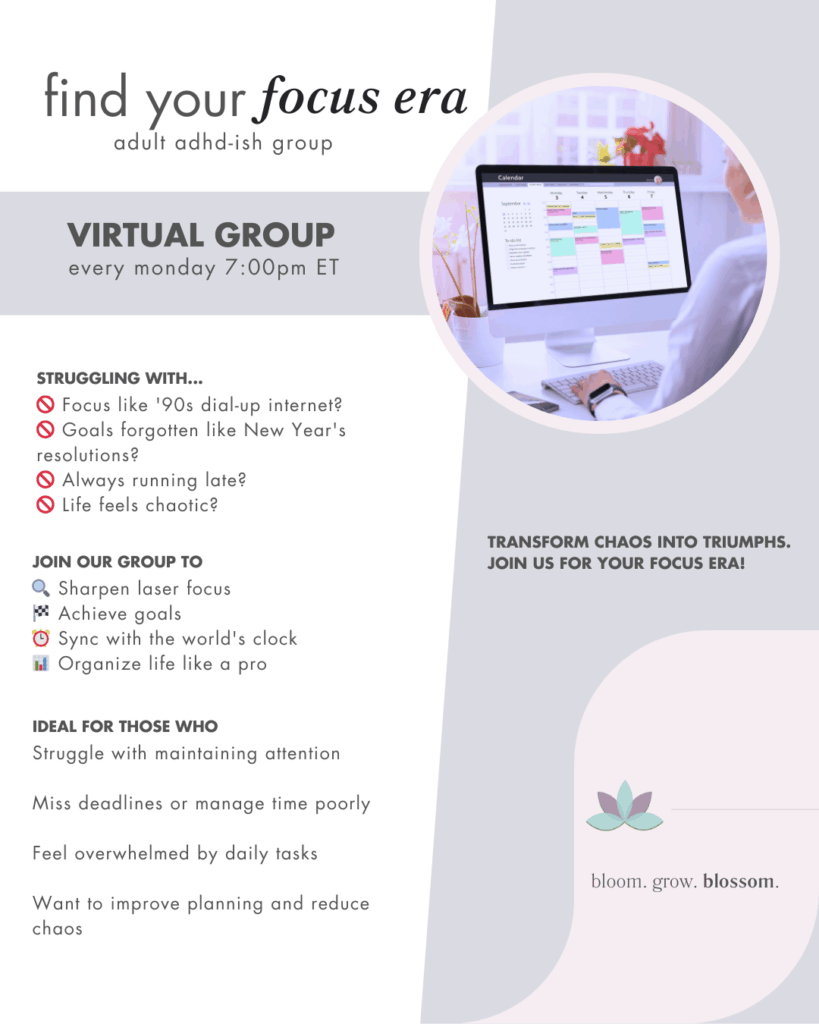
Group therapy is also gaining traction. For many people, shared experiences reduce shame and isolation. Group settings offer connection, perspective, and normalization that individual therapy cannot always provide. They also make therapy more accessible.
Another shift is the emphasis on nervous system regulation. Many clients now understand that healing is not just cognitive. It is physiological. Therapy that incorporates grounding, regulation, and body awareness often feels more effective for people dealing with chronic stress or trauma.
Clients are also valuing therapists who are transparent and relational. The expectation that therapists remain distant or neutral is being challenged. Many people want therapists who are warm, engaged, and willing to explain their approach. This does not blur boundaries. It builds trust.
Technology has also changed expectations. Telehealth has increased access but also raised questions about fit. Some people thrive with virtual therapy. Others miss in-person connection. Flexibility matters.
Ultimately, people are leaving traditional therapy models because they are seeking alignment. Alignment with their values, schedules, identities, and nervous systems. They want therapy that feels responsive rather than rigid.
This shift represents growth, not failure. It reflects a collective willingness to ask harder questions about what healing looks like in real life. Therapy is not being abandoned. It is being reimagined.
When therapy evolves alongside the people it serves, it becomes more humane, effective, and sustainable. The future of mental health care is not about replacing traditional therapy, but expanding it to meet people where they are.

Our team of compassionate therapists is here to help you find the support you need. We believe in a holistic approach, treating your mind, body, and spirit. With a blend of traditional and alternative therapies, we tailor your experience to meet your unique needs. At Blossom, we create a non-judgmental space where you can be your authentic self. Our goal is to empower you, amplify your strengths, and help you create lasting change. Together, we’ll navigate life’s challenges and help you bloom, grow, blossom! You deserve to become the best version of you.